
With the Commonwealth Games fast approaching excitement is building! As Mobility Solutions gears up to provide a range of wheelchairs and mobility scooters for spectators and volunteers to use at the Games, we’ve teamed up with Ben Clark, founder of Adapt to Perform to bring you a fantastic series of sport‑inspired blogs designed to get you motivated and ready for the action!
Community, Confidence and Connection Beyond the Court
By Ben Clark, Founder of Adapt to Perform
One of the biggest misconceptions about disability and sport is that they sit at opposite ends of the spectrum. People often assume that if you live with a disability, whether acquired later in life or something you were born with, competitive or recreational sport simply isn’t designed for you.
The truth in the UK today is very different.
Across the country there are structured pathways, local clubs, grassroots teams and elite programmes designed specifically to include disabled athletes. For nearly every mainstream sport you can think of, there is a wheelchair equivalent or an adaptive format that makes participation possible. From high-intensity contact sports to technical skill-based disciplines, the variety is far wider than most people realise.
The challenge is rarely a lack of opportunity. It is a lack of awareness.
That is where organisations like WheelPower play such an important role. Based at Stoke Mandeville Stadium, widely recognised as the birthplace of the Paralympic movement, WheelPower provides information on clubs, training sessions and development opportunities across the UK. Whether someone is newly disabled, has lived with their condition for decades, or is supporting a child with additional needs, it offers a practical starting point for finding local opportunities. Often, one conversation or one taster session is all it takes to open a completely new chapter, and it doesn’t mean you have to give up your life to chase Paralympic gold, there’s much more to it than medals and podiums…
Sport Is About Much More Than Physical Fitness
When sport is discussed in rehabilitation or health settings, the focus tends to land on the physical benefits. Improved cardiovascular health, stronger muscles, better coordination and increased endurance are all well-documented outcomes of regular activity. For disabled individuals, maintaining strength and conditioning can support independence, injury prevention and long-term wellbeing.
But in my experience both personally and through working with thousands of disabled people, the greatest impact of sport is rarely just physical. It is social.
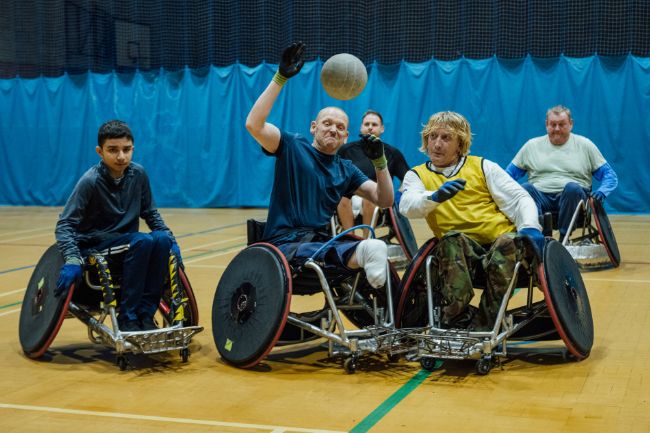
Sport provides structure, purpose and belonging. It creates an environment where disability is not the defining feature of the room. Instead, everyone is there to train, compete, improve and enjoy themselves. There is something powerful about being surrounded by others who understand the adaptations required to participate, whether that means straps and supports, specialised equipment, communication adjustments or simply a shared understanding of navigating the world differently.
The camaraderie that forms in disability sport is unique. You train together, encourage each other, and share both wins and frustrations. You celebrate progress that might look small from the outside but represents huge personal milestones. Over time, those shared experiences build friendships that extend far beyond the sports venue.
For many people, sport restores confidence that may have been shaken by diagnosis, injury or years of being told what they cannot do.
Powerchair Sport: Football and Boccia
For individuals who use powerchairs, competitive sport is absolutely accessible and increasingly well established in the UK.
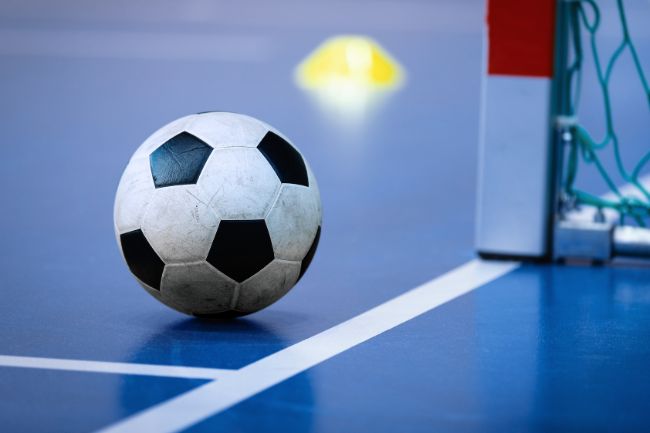
Powerchair football is one of the fastest-growing disability sports in the country. Played indoors on a court, athletes use specialised powerchairs fitted with guards to control and strike an oversized football. The game is tactical, fast-paced and highly competitive. It demands precision, spatial awareness and teamwork, and it offers the same thrill of scoring and defending that any footballer would recognise.
Boccia, on the other hand, is a precision-based target sport that requires strategy, concentration and fine control. It is particularly inclusive, welcoming athletes with a wide range of physical impairments. Players aim to place leather balls as close as possible to a target ball, known as the jack. While it may appear gentle from the outside, high-level boccia is intensely strategic and mentally demanding. The competitive tension in a tight match can be just as gripping as any contact sport.
Both sports demonstrate an important truth: physical intensity is only one measure of athleticism. Skill, tactics and teamwork are equally powerful elements of sport.
Manual Wheelchair Sport: Rugby and Tennis
For those who use manual chairs, wheelchair rugby and wheelchair tennis offer very different but equally compelling experiences.
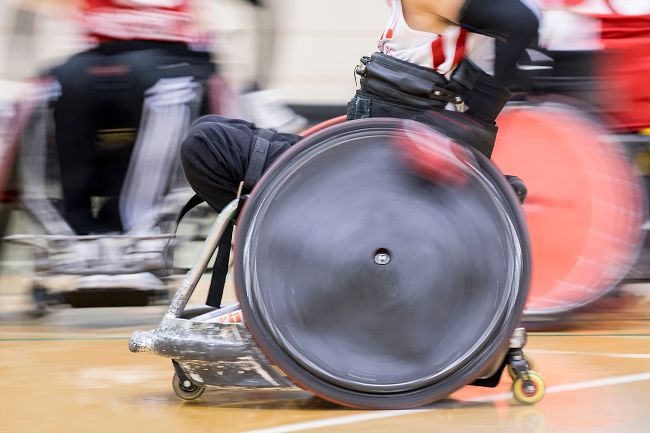
Wheelchair rugby, often referred to as “murderball” in its early days, is a full-contact indoor team sport designed for athletes with upper limb impairments. It is fast, physical and strategic, requiring coordination between teammates and strong chair-handling skills. Beyond the adrenaline, rugby fosters deep bonds within teams. There is a strong culture of support and shared resilience that makes players feel part of something bigger than themselves.
Wheelchair tennis offers a different dynamic. Played on a standard tennis court with the adaptation of allowing two bounces of the ball, it combines speed, agility and tactical awareness. It can be played recreationally or competitively, and it accommodates a range of impairments. The independence of individual competition, paired with the social aspect of club environments, creates a balanced and rewarding experience.
Both sports highlight how adaptation does not dilute competition. It simply reshapes it.
Swimming: Freedom Without the Chair
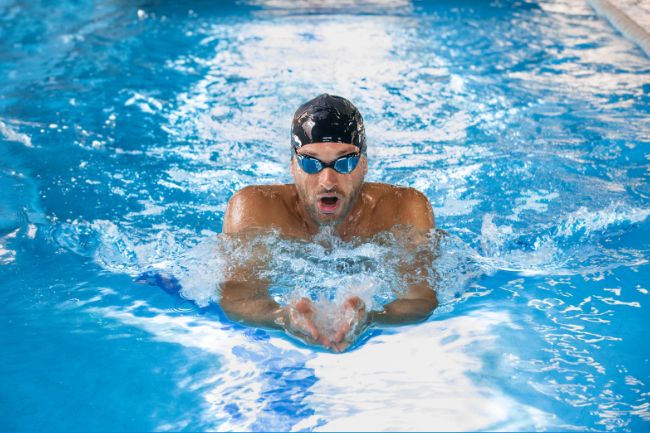
Swimming occupies a special place within disability sport because, in the water, the chair becomes irrelevant. The buoyancy of water reduces load on joints, supports movement and allows individuals to experience a sense of physical freedom that may not be possible on land.
For some, swimming is competitive. For others, it is therapeutic or recreational. It can improve cardiovascular health, build endurance and enhance overall well-being. Importantly, swimming environments are often highly social, with clubs offering structured sessions for disabled swimmers of all ages and abilities.
There is something uniquely powerful about being in an environment where gravity is less dominant, and movement feels fluid. For many disabled people, the pool becomes a place of both physical training and mental release.
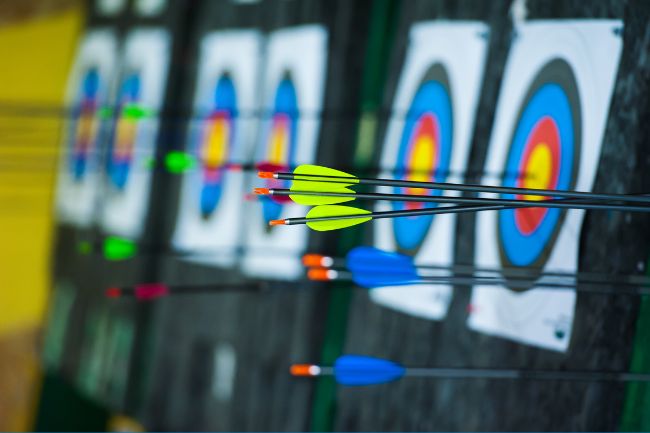
Archery: Precision From Any Position
Archery is one of the most adaptable sports available. It can be performed from a standing position, seated position, or directly from a wheelchair. With the right setup and coaching, it accommodates a broad spectrum of physical abilities.
What makes archery particularly compelling is its focus on precision, control and mental discipline. Success relies on concentration, breathing control and consistent technique. It offers a quieter but deeply satisfying form of competition, where progress is measurable and personal.
Clubs across the UK are increasingly equipped to support disabled archers, and many find that the structured, technical nature of the sport builds both confidence and focus that carry over into other areas of life.

Finding Your Team
Whether someone is drawn to the contact and camaraderie of rugby, the strategy of boccia, the speed of tennis, the teamwork of football, the freedom of swimming or the precision of archery, the unifying factor is community.
Sport provides routine. It provides goals. It provides a connection.
For disabled children, it can foster inclusion and confidence from an early age. For adults who acquire a disability later in life, it can rebuild identity and create new social circles. For those born with disabilities, it can offer lifelong networks of support and opportunity.
If you are unsure where to begin, resources like WheelPower can point you towards local clubs and introductory sessions. The hardest step is often the first one, walking, rolling or driving into a new environment. But on the other side of that first session is often a group of people who will welcome you not because of your disability, but because you are now part of the team.
Sport is not reserved for the non-disabled. It belongs to anyone willing to show up, learn and compete in whatever way works for them.
And sometimes, finding your sport means finding your people.


