
We as humans are not designed to sit for extended periods of time, anyone who does, and is unable to adjust their position, is at risk of pressure sores or abrasion. That is why for wheelchair users or those with limited mobility it is essential that proper care is taken to avoid these risks. In this guide we will discuss the main cause of pressure sores, preventative measures wheelchair users can take and how to treat.
What is a Pressure Sore?
A pressure sore (also known as a pressure ulcer) can be defined as damage to the skin and underlying soft tissue from staying in one position for too long. These sores commonly occur in areas close to the bone such as hips, back and elbows. For wheelchair users this can simply be defined as the areas where the user is in contact with the wheelchair.
These sores can be broken down into 3 main causes:
– Friction: when the skin is rubbing against a surface.
– Pressure: a continuous force pressing down on bony areas.
– Shear: when two surfaces move in opposite directions.
Often these occur in wheelchair users due to a lack of proper pressure distribution, lack of support or an ill-fitting wheelchair.
How to Avoid Pressure Sores – Preventative Measures
Now that you know what a pressure sore is, how you can avoid them?
Wheelchair – First making sure the correct wheelchair is selected. There is no one size fits all when it comes to mobility products therefore it is essential you pick the correct one for your size, needs and requirements. A specialist can assist you with an assessment and can provide insight on which product they think best suits your needs.
Regular Movement – Sitting for extended periods of time isn’t recommended for anyone. When possible, you should transfer from your wheelchair to allow pressure relief, if at home this could be laying on your side for a period. If physically possible, stretching and exercising within your chair can also assist in elevating pressure. A carer or family member should also help with repositioning if movement is limited.
Attire – Wearing appropriate clothing is also essential, not only is this important for general comfort, but it also helps to reduce the risk of friction.
Hygiene – Appropriate skin maintenance such as keeping your skin dry and clean is one of the best ways to prevent a pressure sore. This will also aid in any healing process.
Products to Assist
With this being a common issue there is of course products to assist in pressure sore prevention. Let’s dive into two of them:
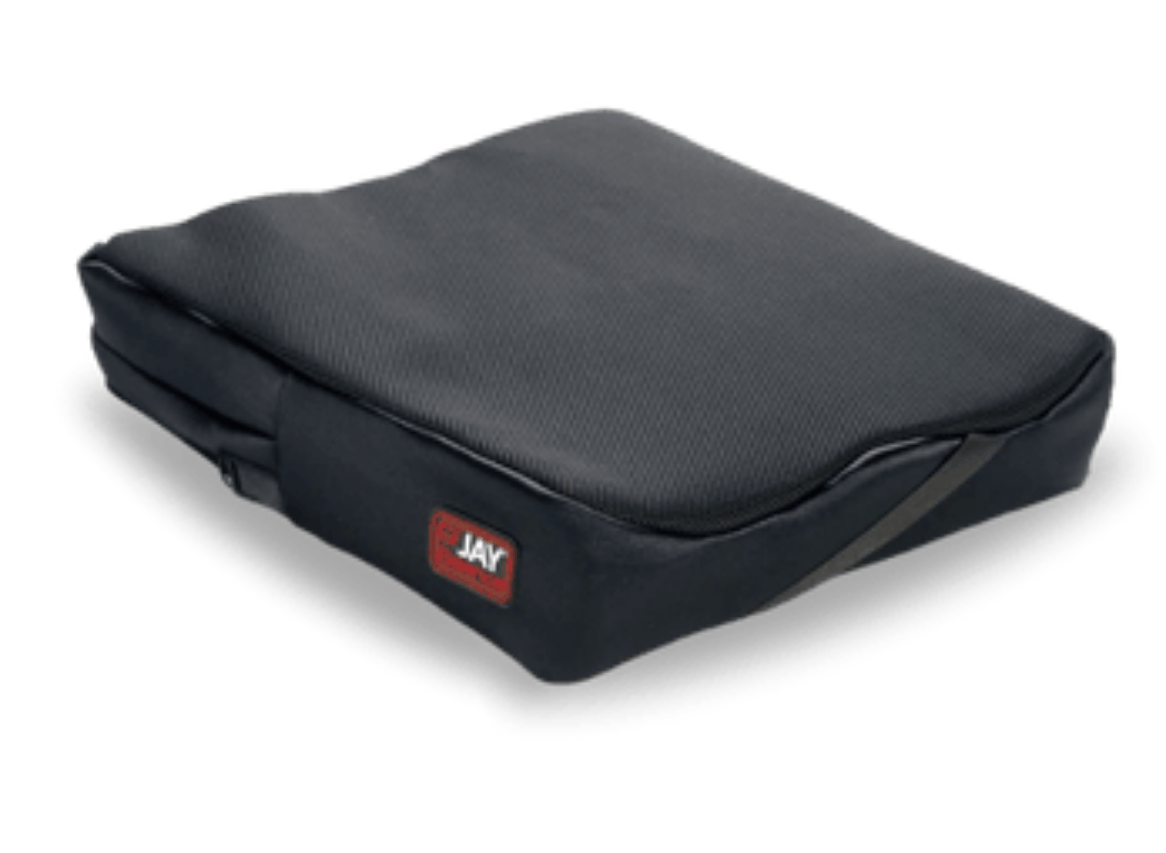
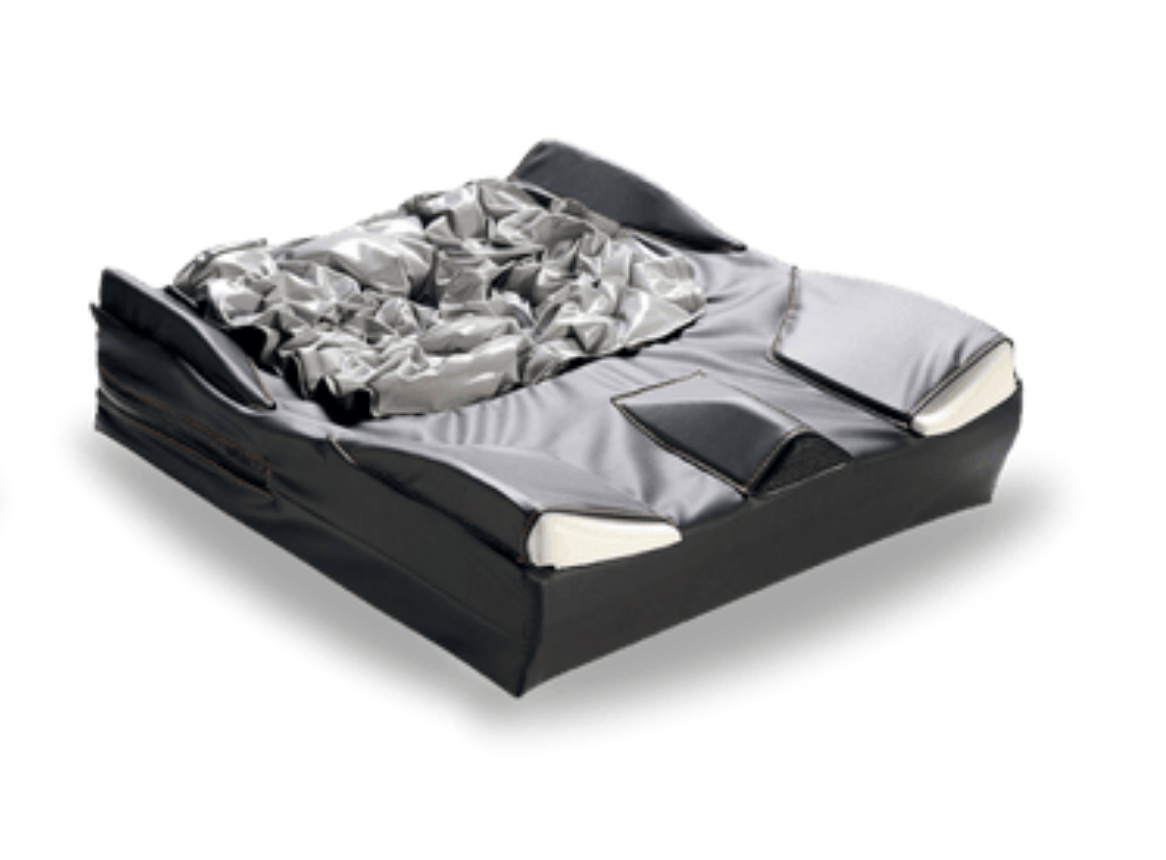
Cushioning – A vital product for any wheelchair user to prevent pressure sores is proper cushioning. These maximise comfort, provide support and help with posture. Cushions can also assist in making your wheelchair fit to you perfectly and can be combined with wheelchair backing.
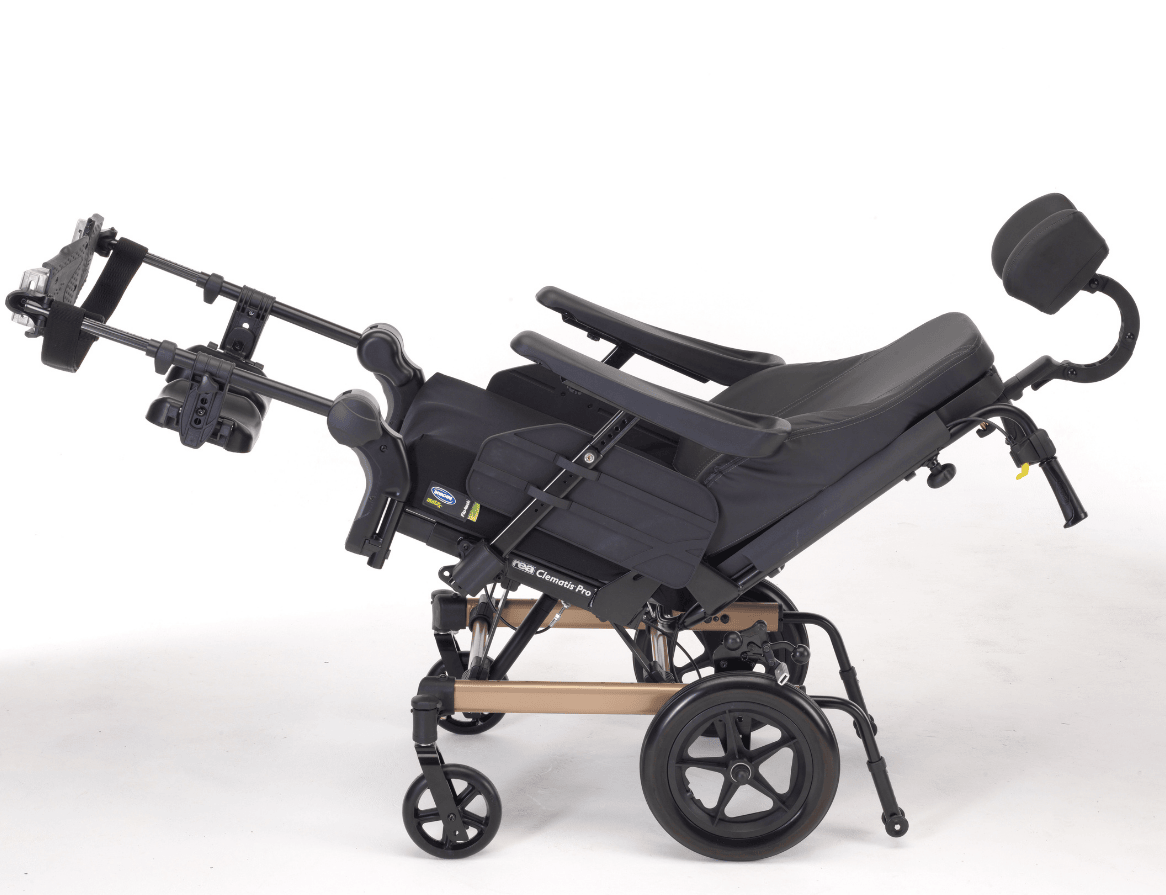
Tilt-in-Space/Power Recline – These models of powerchairs are designed for pressure relief and correct posture, allowing the users centre of gravity to be distributed from their hips to their back. These chairs allow the user to rest directly from their wheelchair without the need to transfer.
What to do if you have a Pressure Sore
If you are reading this and realise you or someone you know is currently experiencing a pressure sore, this should not be ignored. The following steps should be taken to allow proper healing and a speedy recovery.
Don’t use your wheelchair if you have a pressure sore, if you are unable to do this then usage should be limited with appropriate pressure relief in place. This will allow time for the wound to heal.
Tend to the wound with proper care. Once identified, it is essential that you clean and dress it to prevent infection. As pressure sores can be painful, pain relief may be required.
If the wound doesn’t improve or if you have any concerns, then you should seek professional help.
Going forward it is vital that you still conduct regular monitoring for any raw/red areas appearing in the skin. This will allow for early intervention and preventative measures to be put in place.


